Common Causes of Industrial Roof Leaks (And How to Fix Them)
Industrial roof leaks are one of the most common issues faced by commercial property owners. What starts as a minor drip can quickly escalate into structural damage, insulation failure, and disruption to your operations.
Understanding the root cause of a leak is essential — because fixing the symptom without addressing the problem will only lead to repeat failures.
1. Failed Roof Sheets and Corrosion
Over time, metal roofing sheets are exposed to:
Harsh weather conditions
Standing water
Environmental pollutants
This leads to corrosion, weakening the material and allowing water to penetrate the roof system.
Solution:
Localised sheet replacement may work short-term, but widespread corrosion typically requires re-sheeting or overcladding.
2. Deteriorated Flashings and Seals
Flashings are used around:
Roof edges
Penetrations (vents, pipes)
Junctions between roof sections
If these fail, water can easily enter the building.
Solution:
Replace flashings and reseal using modern systems designed for long-term durability.
3. Loose or Failed Fixings
Fixings can loosen over time due to:
Wind uplift
Thermal movement
General wear and tear
Even a small gap around a fixing can allow water ingress.
Solution:
A full fixing audit and replacement programme restores the roof's integrity and prevents further leaks.
4. Rooflight Failures
Rooflights are one of the most vulnerable parts of an industrial roof. Issues include:
Cracking or brittleness
Failed seals
Poor installation
This is a very common source of leaks.
Solution:
Replace outdated rooflights with modern, energy-efficient units that improve both weatherproofing and natural light.
(This ties directly into your previous blog on rooflights — good internal linking opportunity here.)
5. Blocked Gutters and Poor Drainage
When drainage systems become blocked:
Water pools on the roof
Pressure increases on joints
Leaks develop over time
Solution:
Routine gutter cleaning and maintenance is essential to prevent water build-up.
6. Thermal Expansion and Movement
Industrial roofs expand and contract daily due to temperature changes. Over time, this causes:
Stress on fixings
Movement at joints
Gaps forming in the system
Solution:
Modern roofing systems are designed to handle movement. Refurbishment or upgrade may be required for older roofs.
7. End of Roof Lifespan
Sometimes, leaks are simply a sign the roof has reached the end of its life.
If your roof is:
20+ years old
Requiring frequent repairs
Showing widespread deterioration
…it may no longer be cost-effective to repair.
Solution:
A professional survey will determine whether repair, overcladding, or full replacement is the best option.
Preventing Industrial Roof Leaks
Preventative maintenance is the most effective way to avoid costly issues.
We recommend:
Regular roof inspections
Planned maintenance schedules
Early intervention on minor defects
Working with experienced commercial roofing contractors
Conclusion
Industrial roof leaks don't happen overnight — they are usually the result of gradual deterioration or overlooked maintenance.
By identifying the root cause early, you can avoid major disruption and extend the life of your roof system.
? Need Help With a Leaking Roof?
At Bayliss Roofing & Cladding Ltd, we specialise in:
Industrial roof leak detection and repair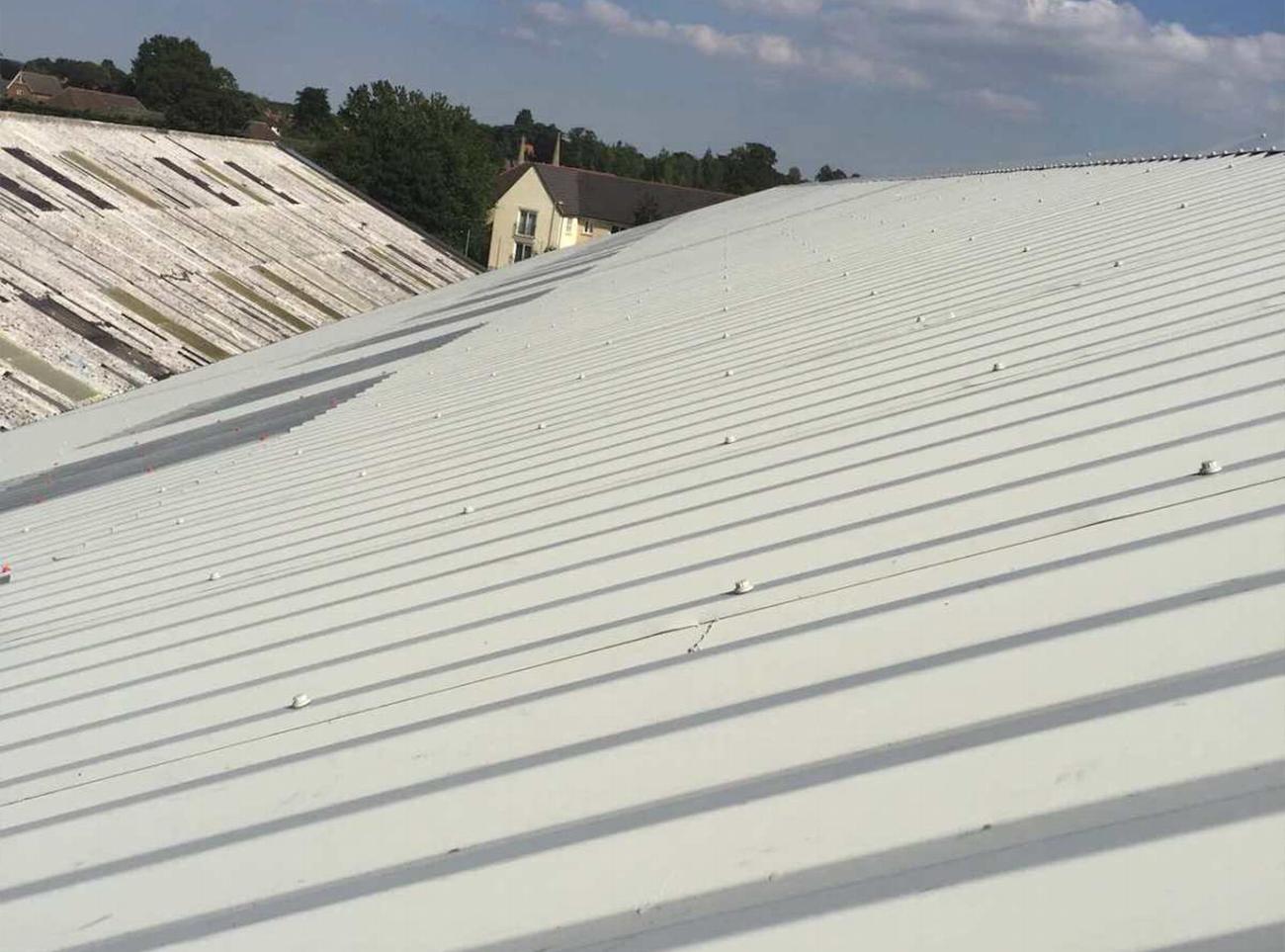
Overcladding and refurbishment systems
Full commercial roof replacements
If you're dealing with an active leak or concerned about the condition of your roof:
? Get in touch today for a free site survey and expert advice.